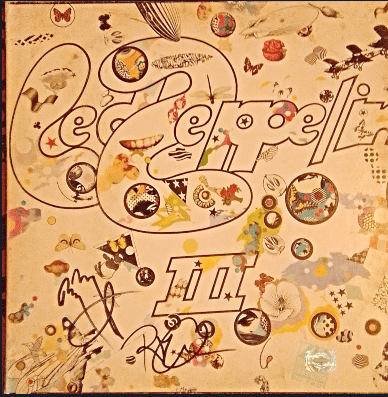
Signed Autographed Record Albums: A Collector’s Guide
The lore surrounding signed autographed record albums is electric. Just think of The Beatles’ “Please Please Me” album, signed by all four members, which fetched over $60,000 at auction. Such records tell stories. They embody the magic of music history, drawing collectors into a world filled with nostalgia and excitement. For enthusiasts, signed albums aren’t just memorabilia; they represent a passion that transcends generations. This article dives deep into the history, value, authentication, care, and investment potential of signed records.
The History of Autographed Records
Early Days of Autograph Collecting: Shop Signed Autographed Vinyl Albums here.
Autograph collecting began well before music took center stage. Historical figures and celebrities from different fields inspired people to seek out signatures. However, once music became a mainstream phenomenon, the focus shifted. Early records featuring signatures, like those from jazz legends, marked the start of music memorabilia. Artists like Louis Armstrong and Ella Fitzgerald had fans clamoring for their scribbles on album covers.
The Rise of Rock and Roll
The 1950s and 1960s saw rock and roll explode in popularity. Icons like Elvis Presley and Chuck Berry captivated audiences, and fans sought their autographs. Concerts became a treasure trove for fans, who would rush to get a signed album after shows. This era solidified the culture of collecting signed records, as artists became more accessible.
The Impact of Technology
The internet revolutionized autograph collecting. Online marketplaces and social media allowed fans to connect with artists directly and facilitated sales of signed albums. Websites like eBay made it easier to buy and sell, leading to a boom in the market. Now, collectors can research albums and authenticate signatures from the comfort of their homes.
Determining the Value of a Signed Record Album
Factors Affecting Value
Several elements influence the value of a signed album:
- Artist Popularity: A signature from a legendary artist holds more value than one from a lesser-known musician.
- Album Rarity: Limited edition releases or albums from the early career stages of an artist are worth more.
- Signature Authenticity: Proven genuine signatures, especially with certificates, drive up value.
- Condition: Albums in excellent condition fetch higher prices.
For instance, auction houses note that signed albums from artists like David Bowie can command prices from $500 to over $20,000, depending on these factors.
Grading and Certification
Dealers like Bostonmemorabilia.com offer certificates of authenticity that note the signature date and location in that according to law enforcement agencies is the best means of probable authenticity.
Market Trends
Currently, signed records are gaining traction as collectibles. Vinyl’s resurgence plays a large part, as music lovers embrace the physical format. Prices for iconic albums are likely expected to rise, fueled by nostalgia and new collectors entering the market.
Authenticating Signed Record Albums
Spotting Fakes
Not all signed albums are authentic. Common signs of forgery include:
- Inconsistent handwriting style
- The presence of identical signatures on multiple albums
- Poor quality ink or materials
For example, many counterfeit albums attempt to mimic the signatures of famous artists but fail to capture the unique flourish in their writing.
Authentication Services
Reputable authentication companies conduct thorough checks. They analyze signatures against known samples and may employ advanced techniques, like forensic analysis. Experts often cite the importance of purchasing from well-known dealers who utilize these services. However it is better to purchase from dealers that provide certificates with provenance.
Due Diligence
Before buying a signed album, collectors should:
- Research the artist’s signature.
- Request provenance or history of the album.
- Look for certificates from reliable authentication services.
Caring for Your Signed Record Albums
Proper Storage
To keep your signed albums in top shape, store them vertically and away from direct sunlight. A cool, dry place helps maintain both the album and the signature.
Handling and Display
When displaying signed albums, use UV-protective frames. Handle them by the edges and use gloves to avoid fingerprints. These steps minimize wear and tear.
Environmental Factors
Temperature and humidity can be detrimental. Aim for a stable environment where it’s neither too hot nor too humid. Avoid basements or attics as they can experience drastic changes.
Investing in Signed Record Albums
Building a Collection
To create a valuable signed album collection, start small. Focus on artists or genres you love. Attend concerts where you can obtain signatures or visit record fairs to discover gems.
Long-Term Investment Strategy
While signed albums can appreciate in value, the market can fluctuate. Factors such as an artist’s death or a resurgence in popularity can affect prices. Always research before investing large sums.
Diversification
Consider diversifying your investment by adding other music memorabilia, like concert posters or vintage concert tickets. This can help spread the risk and enhance overall collection value.
Conclusion
Signed autographed record albums capture the spirit of music history. Their value, authentication, essential care, and investment potential create a rich tapestry for collectors. Beyond just a hobby, collecting signed albums can also be a savvy investment. For those ready to dive into this thrilling world, start exploring, learning, and building your unique collection today.

 Autographs and Memorabilia Fact Guide! Boston Memorabilia