Tag: news

  • Music and Movie Memorabilia Guide

    Music and Movie Memorabilia Guide

    The Enduring Allure of Music and Movie Autographs: A Collector’s Guide

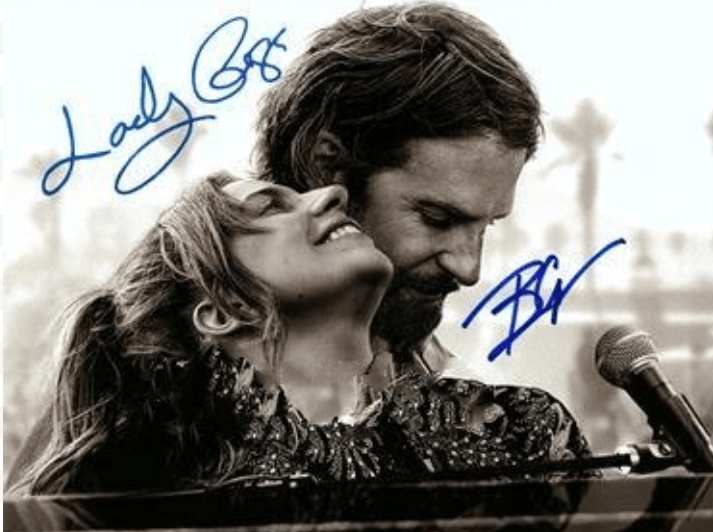
    A handwritten signature from a favorite musician or actor can hold immense value. Collecting music and movie autographs is a passion that many share. These signatures tell stories and connect fans to their idols. Dealers like BostonMemorabilia.com offer a wide sellection of movie and television signed photos and posters.

    The Thrill of the Chase: Why We Collect Autographs

    Many collectors find joy in the hunt for that elusive signature. Autograph collecting is more than just acquiring memorabilia; it’s about the connection to the art and the artist. Each autograph carries a piece of history, making the chase not just rewarding but exhilarating and finding a signed album cover is a prize!

    The Value of Authenticity: Navigating the Forgery Market

    The rise in popularity of autographs has also led to an increase in forgeries. Knowing how to identify authentic signatures is crucial. Collectors must educate themselves on the differences between genuine autographs and fakes. This understanding not only protects a collection but also enhances its value.

    From Hobby to Investment: The Growing Autograph Market

    The autograph market has evolved into a significant investment avenue. Many collectors see their collections as a form of wealth. Popularity and rarity of signatures often drive up prices, turning a hobby into a potential financial opportunity.

    The Allure of Music Autographs: Legends and Icons

    Rock and Roll Royalty: The Most Sought-After Signatures

    Rock legends like Jimi Hendrix and Freddie Mercury top the list for collectors. Their signatures are not just autographs; they symbolize an era of music that resonates with many.

    Beyond the Stage: The Appeal of Singer-Songwriter Autographs

    Songwriters like Bob Dylan and Taylor Swift also attract attention. Their lyrics and music speak to fans, making their autographs precious.

    Protecting Your Collection: Proper Storage and Handling

    An autograph is only as good as its condition. Proper storage is essential. Use archival-safe materials for framing and display. Avoid direct sunlight, humidity, and extreme temperatures.

    Hollywood’s Enduring Legacy: Movie Memorabilia and Autographs

    Golden Age Glamour: The Iconic Signatures of Classic Hollywood

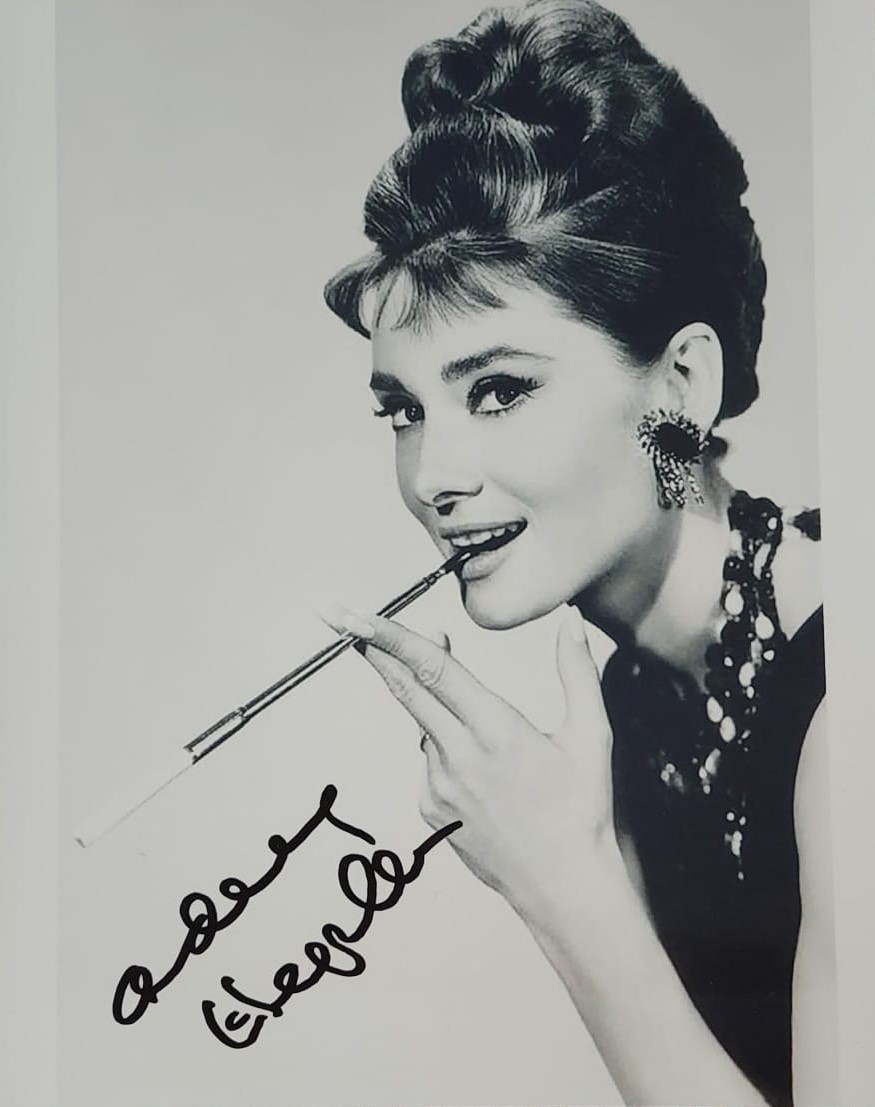
    Autographs from stars like Marilyn Monroe and James Dean are highly coveted. Their signatures represent a golden age of cinema, drawing collectors from all walks of life.

    Modern Marvels: Contemporary Stars and Their Autographs

    Today’s stars, from Leonardo DiCaprio to Zendaya, also create buzz in the autograph market. Fans love to collect signatures from actors who star in their favorite films.

    The Impact of Social Media: Autograph Acquisition in the Digital Age

    Social media has transformed how fans connect with celebrities. Platforms like Instagram and Twitter allow fans to request autographs directly from stars and learn about upcoming signings.

    The Value of Autographs: Factors Influencing Price

    Rarity and Demand: Understanding Market Dynamics

    The value of an autograph often depends on rarity. Limited edition items or signatures from tragic events tend to be more valuable.

    Condition and Authenticity: Key Factors in Appraisal

    An autograph’s condition can greatly affect its price. Wear and tear can decrease its worth, so keeping it in mint condition is vital.

    Investing in Autographs: Potential Returns and Risks

    Investing in autographs can yield returns, but it also carries risks. The market fluctuates, and not all signatures appreciate in value.

    Authenticating Autographs: Avoiding Counterfeits

    Professional Authentication Services: Utilizing Expert Opinions

    Using a professional authentication service can help validate an autograph. Experts provide certificates that confirm signatures are genuine.

    Visual Clues and Telltale Signs: Identifying Potential Forgeries

    Familiarizing yourself with characteristics of genuine signatures is key. Look for consistent pen strokes and placement. Learning these details can protect against forgeries.

    Online Resources and Databases: Verifying Signatures

    Many websites offer databases where collectors can verify signatures. Utilize these resources to confirm authenticity before making a purchase.

    Building Your Collection: Tips for Aspiring Autograph Collectors

    Attending Conventions and Events: Opportunities for Acquisition

    Conventions and fan events are perfect for meeting celebrities and obtaining autographs. These gatherings often feature signings and Q&A sessions.

    Online Platforms and Dealers: Safe and Reliable Sources

    Buying autographs online can be tricky. Stick to reputable dealers with a history of authenticity. Look for customer reviews and feedback.

    Connecting with Celebrities: Ethical and Respectful Approaches

    When seeking autographs, approach celebrities respectfully. Whether at events or through social media, politeness goes a long way.

    Conclusion: A Lasting Legacy

    Key Takeaways: Building a Successful Autograph Collection

    Collecting autographs offers a unique way to connect with art and artists. Prioritize authenticity, condition, and rarity when building a collection.

    As more fans indulge in this hobby, the autograph market will continue to grow. Trends indicate increased interest in online acquisitions and authenticated memorabilia.

    Call to Action: Join the Thriving World of Autograph Collecting

    Dive into the fascinating world of music and movie autographs. Start your collection today and enjoy the journey of connecting with your favorites.
  • The Memorabilia Expert Guide

    The Memorabilia Expert Guide

    Become a Memorabilia Expert: A Comprehensive Guide

    Imagine finding an old baseball card at a garage sale that turns out to be worth thousands. Stories like this energize collectors and show how valuable memorabilia can be. Memorabilia are items collected for their historical significance or cultural value, cherished by fans and collectors alike. As the market for these items grows, so does the potential for profit. This guide will equip you with the knowledge and skills necessary to become a memorabilia expert.

    Understanding the Memorabilia Market

    Types of Collectibles

    The world of memorabilia is vast, encompassing various categories. Here are some main types:

    • Sports Memorabilia: Jerseys, cards, and signed balls from athletes.
    • Music Memorabilia: Concert posters, signed albums, and instruments.
    • Movie Memorabilia: Props, scripts, and wardrobe pieces from films.
    • Historical Artifacts: Items related to significant events or figures.

    Statistics show that the sports memorabilia market alone is valued at over $5 billion and continues to grow. Rare items, like a 1952 Mickey Mantle baseball card, have sold for over $5 million (SCP Auctions).

    Keeping up with market trends is crucial. Today’s collectors are looking beyond traditional items. Unexpected collectibles—like video game cartridges or sneakers—are gaining traction. For example, rare sneakers from the 1980s have fetched over $2 million at auction (Christie’s).

    Identifying Authenticity

    Authenticity matters in the memorabilia market. Counterfeiting is common, making it essential to know how to spot fake items. Look for: Dealers like BostonMemorabilia.com offer certificates that state the origins of the autographs.

    • Certification from reputable organizations.
    • Signs of wear consistent with the item’s age.
    • Documentation proving ownership history.

    Building Your Expertise: Research and Education

    Research Methods

    Effective research is key to becoming an expert. Here are methods you can use:

    1. Online Databases: Utilize platforms like Beckett and PSA for card values.
    2. Auction Records: Study previous sales to gauge market trends.
    3. Expert Publications: Read books or magazines focused on your area of interest.

    Learning Resources

    Consider exploring these resources to enhance your knowledge:

    • Books: Look for titles like “The Sports Memorabilia Market” or “Collecting Music Memorabilia.”
    • Courses: Websites like Coursera offer classes on collectibles.
    • Documentaries: Watch films that focus on famous collections or auctions.

    Networking with Experts

    Building relationships in the memorabilia community is crucial. Attend local shows, join online forums, and engage with seasoned collectors. They can offer insights and guidance that are invaluable as you grow.

    Evaluating and Appraising Memorabilia

    Factors Affecting Value

    Several factors influence the value of memorabilia. Key elements to consider include:

    • Rarity: Items produced in limited quantities often fetch higher prices.
    • Condition: Well-preserved items hold more value.
    • Provenance: Items with documented history or celebrity ownership are appealing.
    • Historical Significance: Items tied to major events or figures often attract attention.

    Grading and Condition

    Understanding grading systems is vital. For instance, sports cards use a 1-10 scale where:

    • 1 = Poor condition
    • 10 = Gem mint condition

    A 1986 Fleer Michael Jordan rookie card can be worth over $700,000 in perfect condition (Goldin Auctions).

    Appraisals and Valuation

    Appraising memorabilia is an essential step for collectors. The process usually follows these methods:

    • Comparative Market Analysis: Compare similar items recently sold.
    • Professional Appraisers: Seek certified appraisers for a reliable valuation.

    Investing in and Trading Memorabilia

    Investment Strategies

    Investing in memorabilia can be rewarding. Here are strategies to consider:

    • Long-Term Holding: Buy items you believe will increase in value over time.
    • Short-Term Trading: Purchase items with quick resale potential based on trends.

    Finding and Sourcing Items

    Discovering valuable memorabilia takes effort. Here are some effective avenues:

    • Auctions: Major auction houses frequently feature rare items.
    • Online Marketplaces: Websites like eBay can yield hidden gems.
    • Private Collectors: Network to find items through personal connections.

    Be aware of legal aspects surrounding memorabilia. Issues to consider include:

    • Ownership: Ensure items are legitimately acquired.
    • Authenticity Verification: Always verify before purchasing.
    • Sales Taxes: Know your local laws regarding collectibles sales.

    Protecting and Preserving Your Collection

    Storage and Handling

    Proper storage is vital for preserving your items. Follow these tips:

    • Use acid-free materials for storage.
    • Keep items in a cool, dry place away from direct sunlight.
    • Handle items with clean hands or gloves to avoid damage.

    Insurance and Security

    Protecting your collection is crucial. Consider the following:

    • Insurance: Obtain coverage specifically for collectibles to safeguard against loss.
    • Security Measures: Use safes or secured display cases for valuable items.

    Documentation and Record Keeping

    Maintain detailed records. Important documentation includes:

    • Purchase Receipts: Keep receipts for provenance.
    • Photographs: Document condition and details of items.
    • Valuation Reports: Maintain records of appraisals for future reference.

    Conclusion: Your Journey to Memorabilia Expertise

    Becoming a memorabilia expert involves understanding the market, building your knowledge, and effective collection strategies. Embrace continuous learning and networking within the community. Enjoy the thrill of collecting, whether for passion or profit. The journey can be incredibly rewarding, connecting you to history and culture in significant ways. Dive into this exciting world of memorabilia today!