A Rockin’ History: The Evolution of Rock & Roll Autographs and Collectibles
The most expensive piece of rock memorabilia ever sold is a signed guitar by Kurt Cobain, fetching over $6 million at auction. Such staggering figures spotlight the intense desirability surrounding rock and roll autographs and collectibles. These items not only connect fans to their favorite artists but also hold immense cultural and financial significance. In this exploration of rock and roll memorabilia, we’ll take a ride through its history, examining how these autographs and collectibles have evolved from mere fan artifacts to coveted treasures.
The Early Days: From Handwritten Notes to Priceless Possessions
The Pioneers: Examining early autographs of iconic musicians
In the 1950s, rock and roll was born. Legends like Elvis Presley, Chuck Berry, and Little Richard were the pioneers. Their handwritten notes and signatures became early autographs that fans cherished. For instance, a signed Elvis Presley photo can sell for thousands, while Chuck Berry’s rare autographs can fetch significant prices at auctions.
The Rise of Fan Culture
As rock music gained popularity, fan interactions grew. Fans clamored for autographs at early concerts and meet-and-greets. The practice of asking for a musician’s signature became a key part of the fan experience. Stories from fans who attended these concerts reveal a sense of connection between them and the artists—moments that made their memorabilia all the more valuable.
Early Market Dynamics
Initially, the market for rock and roll memorabilia was small. However, as rock music exploded in popularity, memorabilia began to see rising values. Early auctions began showcasing items like concert tickets or signed records. For instance, an early auction of rock memorabilia recorded sales reaching up to $2 million, making it clear that fans were willing to invest in their icons.
The 60s & 70s: The British Invasion and Beyond
Beatlemania and its Impact
The 1960s marked a turning point with Beatlemania. The Beatles’ influence led to skyrocketing demand for memorabilia. Sales figures for Beatles autographs can reach over $50,000, demonstrating their cultural significance. Fans wanted anything tied to the band, from signed albums to rare concert posters.
The Rise of Rock Stars
Other iconic bands emerged, too. The Rolling Stones, Jimi Hendrix, and Led Zeppelin all made their marks. Collectors began focusing on their collectibles. A signed guitar from Jimi Hendrix can go for tens of thousands of dollars, further diversifying the market.
The Shift in Collecting
The 60s and 70s saw collecting habits evolve. Concert posters, vinyl records, and other memorabilia became highly sought after. The rarity of unique items fueled demand and market value.
The 80s and 90s: Grunge, Hair Metal, and the Rise of Pop Culture
The Grunge Phenomenon
The 1990s introduced grunge, with bands like Nirvana and Pearl Jam making waves. Grunge memorabilia became popular, with fans clamoring for autographs from these stars. Signed items from Nirvana can command significant prices, thanks to their impact on music.
Hair Metal Mania
Hair metal bands also surged in popularity. Memorabilia associated with acts like Guns N’ Roses became collectible. Items like signed vinyl records and concert shirts from the hair metal era are now considered valuable treasures.
The Influence of Pop Culture
Rock and roll memorabilia from the 80s and 90s intersected with broader pop culture trends. As new media showcased these artists, the collectibles market diversified, reaching fans globally.
The Digital Age: Online Auctions and Authentication
The Internet’s Impact
The rise of online auctions has transformed the rock and roll collectibles market. In recent years, online sales in memorabilia have skyrocketed, with platforms facilitating sales of millions of dollars. Fans now have easy access to rare items that were once hard to find.
Authentication Challenges
With the boom in collectibles came challenges, particularly counterfeit memorabilia. Items that look genuine may not be, making authentication crucial. High-profile forgery cases have surfaced, shining a light on the need for proper verification.
The Role of Experts
Experts and appraisers play a vital role in maintaining market integrity. Authentication companies ensure that items are genuine. Their expertise helps prevent counterfeit items from entering the market, preserving the value of authentic memorabilia.
Modern Rock & Roll Collectibles: From Vinyl to NFTs
The Vinyl Revival
Vinyl records have come back into fashion. This revival has driven the collectibles market, with sales of vinyl records soaring. Collectors are willing to pay premium prices for rare pressings, demonstrating the lasting love for this format.
The Rise of NFTs
Non-fungible tokens (NFTs) represent the latest trend in the collectibles market. These digital assets offer a new way for fans to connect with artists. NFTs featuring exclusive content from musicians can sell for substantial amounts, reshaping how collectibles are perceived.
Contemporary Artists and Collectibles
Modern rock bands are also leaving their mark on collectibles. Items from today’s artists are beginning to rival those from legends of the past. Memorabilia from artists like Billie Eilish and Foo Fighters are gaining traction in the collector’s market.
Conclusion: The Enduring Legacy of Rock and Roll Collectibles
The history of rock and roll memorabilia reflects shifts in music, culture, and technology. From early autographs to modern-day collectibles, each era brought new trends and value. For aspiring collectors, understanding these trends alongside conducting thorough due diligence is key. As rock and roll continues to influence generations, its memorabilia will remain a powerful cultural legacy. The connection between fans and their favorite artists endures, making these collectibles timeless treasures.



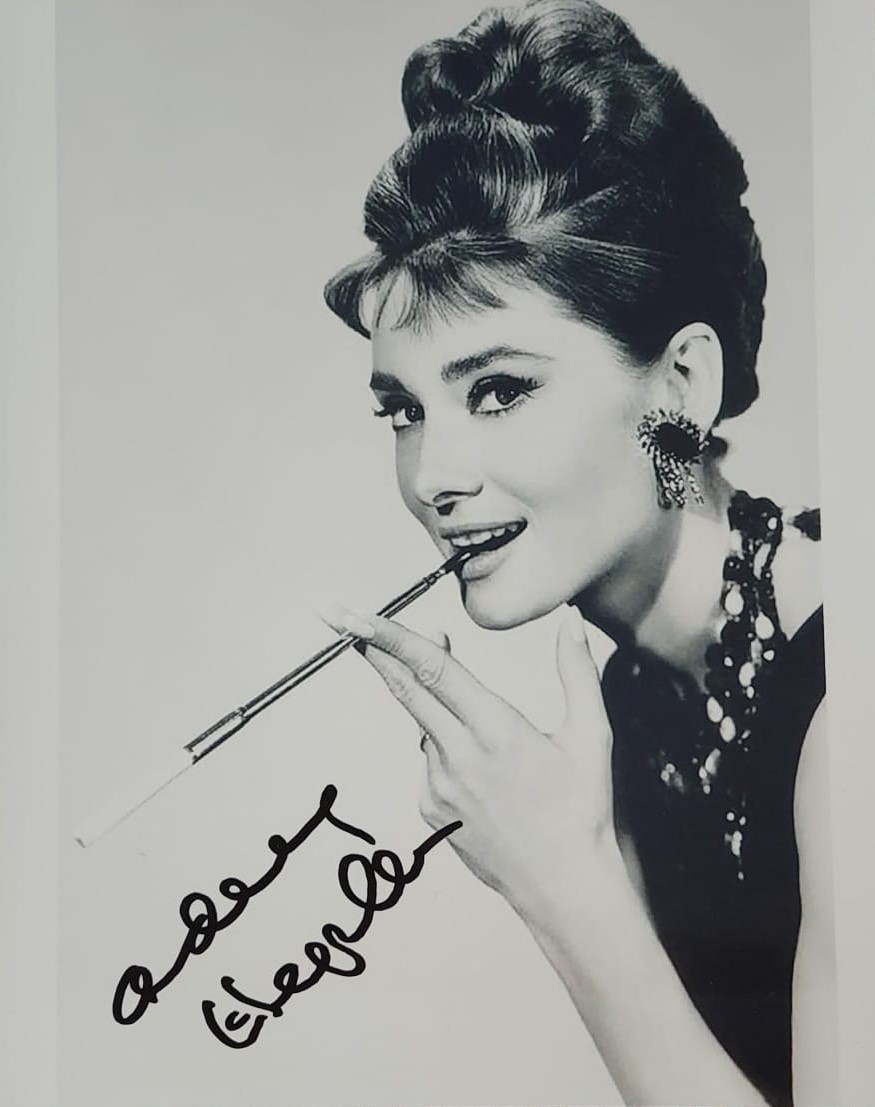
 Autographs and Memorabilia Fact Guide! Boston Memorabilia