Category: autographs memorabilia

  • Jimmy Buffett Autograph Guide

    Jimmy Buffett Autograph Guide

    The Soaring Value of Jimmy Buffett Signed Photos: A Collector’s Market Boom

    The Enduring Legacy of Jimmy Buffett

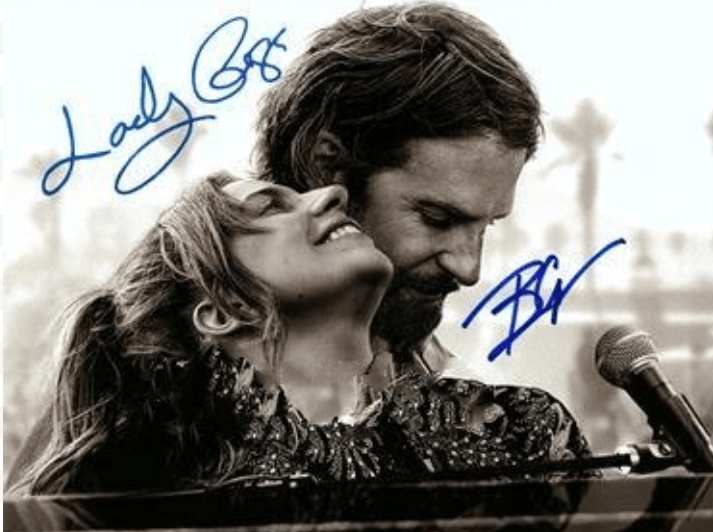
    Jimmy Buffett’s music captures the essence of laid-back living. Hits like “Margaritaville” and “Cheeseburger in Paradise” paint vivid images of tropical bliss. His fan base is not merely a group; it’s a community that celebrates music, adventure, and nostalgia. This enduring legacy creates an emotional connection that enhances the appeal of his signed memorabilia. Shop Jimmy Buffett autographs.

    The Rise of Collectibles in the Digital Age

    As collectors increasingly turn to online platforms, the market for autographed items has surged. Social media and digital marketplaces have made it easier for fans to connect with one another, share their collections, and discover new items. This shift to the digital world has sparked a renewed interest in collectibles, including signed photographs of icons like Buffett.

    Increased Demand for Authentic Memorabilia

    With the rise of counterfeit items, collectors crave authenticity. Authentic Jimmy Buffett signed photos are often seen as more than just memorabilia; they’re tangible reminders of a beloved artist’s influence. Fans seek out certified autographed items to ensure they’re investing in genuine pieces that hold both sentimental and monetary value.

    The Appeal of Jimmy Buffett Autographed Photos:

    More Than Just a Signature: The Emotional Connection

    Each signed photo tells a story. It’s not just a piece of paper; it represents memories for fans. Many feel a personal connection to Buffett’s songs and lifestyle, which makes owning a signed photo especially meaningful.

    Rarity and Value: Understanding Supply and Demand

    The scarcity of signed photos adds to their allure. As fewer items become available, demand naturally increases. Collectors are often willing to pay a premium for rare photos featuring unique moments from Buffett’s life and career.

    The Role of Authenticity in Determining Value

    Provenance matters. Authenticated photos, accompanied by certificates of authenticity, are valued higher than those without. Serious collectors prioritize items with verified signatures, ensuring their investments are protected.

    Factors Driving Increased Demand

    The Growing Popularity of Parrot Head Culture

    The Parrot Head movement continues to grow, attracting new fans each year. Events like tailgates and festivals bring enthusiasts together, creating a vibrant community. This camaraderie fuels the desire for collectibles, particularly autographed memorabilia.

    Increased Media Attention and Resurgence of Interest

    Media features, documentaries, and tributes to Buffett have reignited interest in his work. As more people discover his music and life story, the demand for signed photos rises alongside their newfound appreciation.

    The Impact of Social Media and Online Marketplaces

    Platforms like Instagram, eBay, and fan forums make finding and purchasing collectibles easy. Users share photos of their collections, inspiring others to start or expand their own. This visibility drives demand for signed items.

    Investing in Jimmy Buffett Signed Photos

    Authenticity Verification: Expert Tips and Resources

    Before purchasing, verify authenticity through trusted sources. Consider third-party authentication companies known for credible services. Research online testimonials and reviews to ensure quality.

    Prices for signed photos can vary widely. Check auction sites for recent sales to gauge current market values. Knowledge of trends helps buyers and sellers negotiate better deals.

    Where to Buy and Sell: Reputable Online Platforms and Auction Houses

    Use established platforms for transactions. eBay, Heritage Auctions, and other reputable online marketplaces provide security and a wide selection of signed memorabilia. Research sellers and review ratings to ensure a successful purchase.

    Preserving and Protecting Your Investment

    Proper Handling and Storage Techniques for Photographs

    To maintain value, handle photos carefully. Use clean hands or gloves when touching them. Store in a cool, dry place away from direct sunlight. Consider using acid-free materials to prevent damage.

    Insurance Options for Valuable Collectibles

    Insure your collectibles to protect against loss or damage. Many companies offer specialized insurance for memorabilia. Review policies to find coverage that fits your needs.

    Long-Term Value and Appreciation Potential

    Investing in signed photos can pay off over time. Historical significance and growing interest may enhance an item’s value. As the legacy of Jimmy Buffett endures, so too will the interest in his signed memorabilia.

    Conclusion: A Lasting Legacy and a Smart Investment

    Jimmy Buffett signed photos represent more than mere collectibles. They encapsulate nostalgia, emotion, and a connection to a beloved artist. The rising popularity and value of these items reflect their cultural significance, making them a smart investment for collectors.

    Key Takeaways:

    • The emotional connection to Buffett influences the appeal of signed photos.
    • Authenticity boosts value and buyer confidence.
    • Social media and community engagement drive demand.

    As interest in Jimmy Buffett memorabilia continues to swell, now is the time to explore this exciting collector’s market. Whether you’re a seasoned collector or just starting, investing in signed photos promises both emotional and financial rewards.

  • Mick Jagger, the autograph experts guide

    Mick Jagger, the autograph experts guide

    Become a Mick Jagger Autograph Expert: The Ultimate Guide

    Mick Jagger, the iconic frontman of The Rolling Stones, has left an indelible mark on music and culture. Imagine stumbling upon a vintage poster of the band, with Jagger’s bold signature in vibrant ink That thrill of discovery is what makes collecting his autographs so exciting. Each signed item tells a story, often fetching significant sums at auctions or private sales.

    Collecting Mick Jagger autographs appeals to music fans, collectors, and investors alike. The popularity of signed photos and other memorabilia with his signature and its connection to rock history drive its demand. As one of music’s legends, owning a piece of memorabilia featuring Jagger’s autograph connects collectors to the essence of rock and roll. This article will guide you on becoming an expert in Mick Jagger autographs. Covering signature evolution, authentication, collecting strategies, and legal considerations, you’ll gain the skills to navigate this fascinating hobby.

    Understanding Mick Jagger’s Signature Evolution

    Early Career Signatures> Shop Mick Jagger autographs here.

    In the early days of The Rolling Stones, Jagger’s autographs were often more casual. His signature featured flowing lines and a less polished style, reflecting the band’s raw energy. Examples from this period reveal the youthful exuberance that defined the 1960s rock scene. As you analyze these signatures, look for characteristics such as the positioning of letters and the overall flow.

    Mid-Career Variations

    During the band’s peak in the 1970s, Jagger’s signature evolved. It became more stylized and distinctive, showcasing the sophistication and confidence of a superstar. Comparing mid-career signatures to early ones, you’ll notice a notable shift in flair and precision. This period produced some of the most sought-after autographs due to the band’s immense popularity.

    Later Years Signatures

    In more recent years, Jagger’s signature has undergone further changes. His autographs now display a mix of flair and simplicity, often with more deliberate strokes. Signing at events or concerts, his autographs start to show the wear of age. Collectors should pay attention to the flow and consistent elements in modern signatures, distinguishing them from earlier versions.

    Authenticating Mick Jagger Autographs: Spotting the Fakes

    Common Forgery Techniques

    Autograph forgers use various methods to create convincing fakes. Techniques often involve tracing Jagger’s signature or using computers to replicate it. Color variations and paper types can also help indicate a forgery.

    • Ink Analysis: Often, ink from a modern pen can suggest a forgery if used on older items.
    • Proximity of Letters: Look for inconsistencies in the spacing between letters.

    Key Features to Verify Authenticity

    When verifying Mick Jagger autographs, focus on the following features:

    • Flow of Signatures: Authentic signatures tend to have a natural flow. Watch for abrupt stops or awkward angles.
    • Unique Traits: Look for consistent quirks in Jagger’s handwriting, like specific loops or slants.
    • Material and Context: Items signed at specific concerts or events may have unique markings or details.

    Utilizing Expert Resources

    Expert authentication services can enhance your confidence in purchases. Some reputable companies include PSA/DNA and JSA. Their fees vary but generally range from $20 to $100 per item, depending on the service level.

    Building Your Mick Jagger Autograph Collection: Strategies & Tips

    Sourcing Autographs

    When sourcing Mick Jagger autographs, consider these trusted avenues:

    • Auctions: Established auction houses often have verified memorabilia. Dealers like BostonMemorabilia offer provenance on the certificate document.
    • Dealers: Reputable dealers specialize in rock memorabilia.
    • Private Sellers: Look for signed items sold with clear provenance.

    Pricing & Valuation

    Pricing for Jagger autographs can vary widely based on rarity and demand. Here’s a general price range:

    • Signed Photos: $300 – $2,000
    • Autographed Albums: $500 – $5,000
    • Concert Posters: $200 – $3,000

    Referencing auction results on sites like eBay or live auction houses can help in accurate valuation.

    Protecting Your Investment

    Preserving autographs is vital for maintaining their value. Consider these tips:

    • Proper Storage: Use acid-free sleeves and store items in a cool, dry place.
    • Handling: Always handle items with clean hands or gloves to avoid oils and dirt.

    Owning a signed item has legal implications. While you may own the autograph, you don’t own the rights to the image or the person’s name. Be cautious when reselling.

    Authentication Certificates

    Authentication certificates are crucial in establishing the legitimacy of your items. They add value and can ensure potential buyers of authenticity.

    Dealing with Disputes

    In cases of disputes over potentially forged autographs, having proper documentation is vital. Contact authentication services for support and seek legal advice if needed.

    The Community of Mick Jagger Autograph Collectors

    Online Forums and Communities

    Engaging with other collectors is essential. Online platforms and forums such as Reddit and specialized Facebook groups allow collectors to discuss, trade, and share insights.

    Attending Autograph Shows & Events

    Attending autograph shows can be an exciting way to meet fellow enthusiasts. These events often feature speakers, memorabilia, and chances to get autographs in person.

    Networking with Other Collectors

    Building relationships with other collectors can enhance your knowledge. Sharing experiences about sourcing, pricing, and authenticity creates a supportive community.

    In conclusion, diving into the world of Mick Jagger autographs can be rewarding and fulfilling. By understanding signature evolution, authentication methods, and effective collection strategies, you can develop a valuable collection. Keep learning and connecting with the vibrant community of collectors. Every Jagger autograph holds a piece of musical history, waiting for you to uncover its story. Your journey toward expertise starts now!

  • The Popularity of Michael Jordan Autographs

    The Popularity of Michael Jordan Autographs

    Michael Jordan Signed Memorabilia: Why Photos and Basketballs Reign Supreme

    Michael Jordan transcends the game of basketball. With six NBA championships and a legacy of unmatched skill, he remains a towering figure in both sport and culture. His signed memorabilia, especially photos and basketballs, fetch high prices at auctions and drives passionate collectors to seek these rare items. According to several market reports, Jordan’s signed items often appreciate in value, making them attractive investments.

    This article focuses on the allure of signed photos and basketballs as sought-after collectibles among fans and investors alike. Both categories offer unique appeal, representing not just Jordan’s greatness but also priceless pieces of sports history. The purpose here is to explore why MJ’s signed memorabilia captures the hearts of collectors and how it can serve as a worthy investment.

    The Enduring Legacy of Michael Jordan

    Michael Jordan changed basketball forever. He transformed the NBA into a global phenomenon. With five MVP awards, ten scoring titles, and over 32,000 career points, his stats are legendary. Off the court, his brand, Air Jordan, has become a cultural symbol, generating billions in revenue. Jordan’s influence reaches far beyond basketball, inspiring athletes and fans worldwide.

    The Rise of Sports Memorabilia Collecting

    The sports memorabilia market has exploded over the last few decades. What started as a niche hobby has turned into a multi-million-dollar industry. Thousands of fans collect items ranging from jerseys to trading cards. In 2022, the sports memorabilia market was valued at over $26 billion, with projections for significant growth. Publications like Forbes and Sports Illustrated often highlight this trend, showcasing the increasing interest in collectibles.

    The Scarcity Factor

    Scarcity plays a vital role in the value of Jordan’s signed items. Limited edition releases, like specific photo prints or autographed basketballs, create a sense of urgency among collectors. Authentication challenges also contribute to this rarity. Knowing that a signed item is genuine adds to its appeal, making collectors willing to pay more.

    The Allure of Michael Jordan Signed Photos

    Capturing Iconic Moments

    Each signed photo represents a critical moment in Jordan’s career. Fans cherish images like “The Shot” against the Cleveland Cavaliers or his emotional finals victory. These iconic moments evoke nostalgia and an emotional connection, elevating the photographs’ value.

    The Personal Touch

    An autograph adds a personal touch to an already memorable image. A signed photo feels like more than just a picture; it represents a moment that fans can hold onto. Collectors often search for personally-signed items since they carry more significance than mass-produced prints.

    Display and Collectibility

    Photos are often easier to display than larger items like basketballs. Framed and hung on walls, they become eye-catching conversation starters. Their ability to enhance a space while serving as a collectible keeps them popular among fans.

    The Significance of Michael Jordan Signed Basketballs

    Game-Used vs. Autographed

    There’s a substantial difference between game-used basketballs and simply autographed ones. Game-used balls come with a narrative; they hold historical significance. For example, the ball used in MJ’s last shot in a Bulls uniform sold for over $1.3 million. Autographed balls may be less expensive but still hold value for collectors.

    The “Holy Grail” of Memorabilia

    Signed basketballs are often considered the “Holy Grail” of sports collectibles. Their rarity and symbolism as a direct connection to Jordan’s greatness make them highly coveted. Experts frequently cite these items as top choices for serious collectors, further adding to their reputation.

    Authenticity and Verification

    Authentication is crucial when investing in signed basketballs. Trusted companies like PSA/DNA and JSA provide verification services. Buyers should seek out items with valid authentication to ensure their investment’s legitimacy.

    Investing in Michael Jordan Memorabilia

    Factors Affecting Value

    Several factors influence the value of Michael Jordan’s signed items. Condition, provenance, and rarity are key. For example, a signed photo in mint condition will command a higher price than one with visible wear. Historical prices show that these collectibles can appreciate significantly over time.

    Tips for Authentication and Purchase

    When purchasing, always go for authenticated signed items from reputable sellers. Research is vital to distinguish between authentic and counterfeit memorabilia. Joining forums and collector groups can also offer insights into trustworthy sources.

    Building a Collection

    To build a collection, focus on specific items or aspects of Jordan’s career. Start with signed photos of iconic moments or seek out limited-edition basketballs. Gradually expanding your collection can be both rewarding and educational.

    The Future of Michael Jordan Collectibles

    The Growing Market

    The demand for Michael Jordan signed items is likely to continue growing. As younger generations discover the legend of MJ, interest in his memorabilia will likely surge. Trends show that the market for sports memorabilia remains strong and adaptive.

    Protecting Your Investment

    Proper storage is essential for preserving signed items. Use UV-protective glass for photos and store signed basketballs in climate-controlled environments. This basic care maintains their value and condition for years to come.

    The Legacy Continues

    Jordan’s legacy is lasting. With every vintage game highlight or new generation of fans, the popularity of his signed memorabilia shows no signs of fading. Collectors can take pride in owning a piece of history.

    Conclusion

    Michael Jordan’s signed photos and basketballs are not just collectibles; they are tangible connections to an extraordinary legacy. The emotional significance, scarcity, and cultural impact of his memorabilia make them immensely popular. Authenticity shines as a reminder that these items are worth the investment. For those interested in diving into the world of sports memorabilia, starting a collection centered around Michael Jordan can be rewarding on multiple levels. Explore, research, and build a collection that celebrates one of basketball’s greatest.

  • The Popularity of Marilyn Monroe Autographs

    The Popularity of Marilyn Monroe Autographs

    Why Marilyn Monroe Autographs Are So Incredibly Popular

    The signature of Marilyn Monroe is more than just ink on paper; it’s a piece of history. Her autographs resonate with fans and collectors alike, creating a strong desire for this kind of memorabilia. Exploring why these autographs hold such significance shines a light on their value and cultural impact.

    The Icon’s Impact: Cultural Significance and Lasting Legacy

    Marilyn Monroe is a cultural icon. Her films, beauty, and charm captivated millions. From “Gentlemen Prefer Blondes” to “The Seven Year Itch,” her work defined an era. But it’s not just her movies that matter. Monroe represents beauty, rebellion, and vulnerability, making her a timeless figure in pop culture.

    • Cultural Shifts: Monroe broke barriers and challenged norms. She was both glamorous and relatable.
    • Influence on Art and Fashion: Designers and artists continue to draw inspiration from her style and persona.

    Rarity and Value: A Collector’s Dream

    What makes Monroe’s autograph so appealing? The rarity plays a significant role. Very few authentic signatures exist, making each one a sought-after treasure.

    • Limited Availability: Since Monroe passed away in 1962, fewer items bearing her autograph are available each year.
    • High Demand: Collectors worldwide seek her signature, driving up prices in auctions and markets.

    More Than Just a Signature: A Piece of Hollywood History

    Owning a Monroe autograph offers a glimpse into Hollywood’s golden age. It’s like holding a piece of the past, filled with stories and memories.

    • Historical Context: Each autograph tells a story about the time and the person behind it.
    • Emotional Connection: Fans feel a connection to Monroe, making her autograph more than just a collectible.

    The Cultural Phenomenon of Marilyn Monroe

    Beyond the Silver Screen: Marilyn’s Multifaceted Persona

    Monroe’s image extends beyond films. She was a model, singer, and an icon of femininity. Her life story encompasses glamour and tragedy, but her strength resonates with many.

    The Media’s Role: Perpetuating the Myth and the Market

    Media coverage continuously shapes our perception of Monroe. From magazine covers to documentaries, the fascination with her life fuels interest in her memorabilia.

    A Timeless Symbol of Beauty, Rebellion, and Vulnerability

    Monroe symbolizes the complexities of being a woman in the spotlight. Her beauty and charm are timeless, appealing to generations.

    The Rarity and Authenticity of Marilyn Monroe Autographs

    Limited Supply: The Scarcity Factor Driving Up Prices

    As time goes on, fewer Monroe autographs are available. This scarcity leads to higher prices,

    Investment Potential: Marilyn Monroe Autographs as Collectibles

    Prices for Monroe autographs have steadily increased over the years. Understanding market trends can help collectors make informed decisions.

    Factors Influencing Value: Condition, Rarity, and Provenance

    Several elements affect the value of an autograph, including:

    • Condition: The better the condition, the higher the value.
    • Rarity: Fewer items increase desirability.
    • Provenance: A well-documented history enhances worth.

    Long-Term Investment Strategy: Building a Valuable Collection

    Investing in Monroe autographs can yield significant returns. Focus on quality and authenticity for a valuable collection over time.

    Collecting Marilyn Monroe Autographs: A Practical Guide

    Identifying Reputable Dealers and Auction Houses

    Seek out trusted dealers like BostonMemorabilia.com. Be sure they offer a certificate of authenticity with provenance.

    Due Diligence: Authenticity Verification and Appraisal

    Always verify the authenticity of an autograph before purchasing. Consider getting a professional appraisal to confirm its value.

    Protecting Your Investment: Proper Storage and Handling

    To maintain the condition of an autograph, use proper storage techniques. Keep items out of direct sunlight and use protective sleeves.

    The Future of Marilyn Monroe Memorabilia

    The Ever-Growing Demand: Sustained Interest and Future Value

    Interest in Monroe continues to grow. As new generations discover her legacy, the demand for her autographs remains strong.

    Digital Preservation: The Role of Technology in Collecting

    Technology plays a role in preserving memorabilia. Digital archives allow fans to explore Monroe’s history without compromising original items.

    Connecting with History: The Emotional Value of Ownership

    Owning a piece of Monroe’s legacy connects collectors to her story. Each autograph is a reminder of her impact on culture and film.

    Conclusion: More Than Just an Autograph – A Lasting Legacy

    Marilyn Monroe autographs hold a unique place in both pop culture and the collector’s market. They offer a connection to a bygone era and an icon whose influence continues to resonate.

    Key Takeaways: Investing, Collecting, and Preserving History

    • Marilyn Monroe autographs combine beauty, history, and value.
    • Ensure authenticity and protect investments for long-term success.

    Call to Action: Explore the World of Marilyn Monroe Autographs

    Discover the allure of Marilyn Monroe autographs. Start your collection today and connect with a piece of Hollywood history that lasts a lifetime.

  • Elvis Presley Autographs, Expert Guide!

    Elvis Presley Autographs, Expert Guide!

    The King’s Signature: Uncovering the High Demand for Elvis Presley Autographs

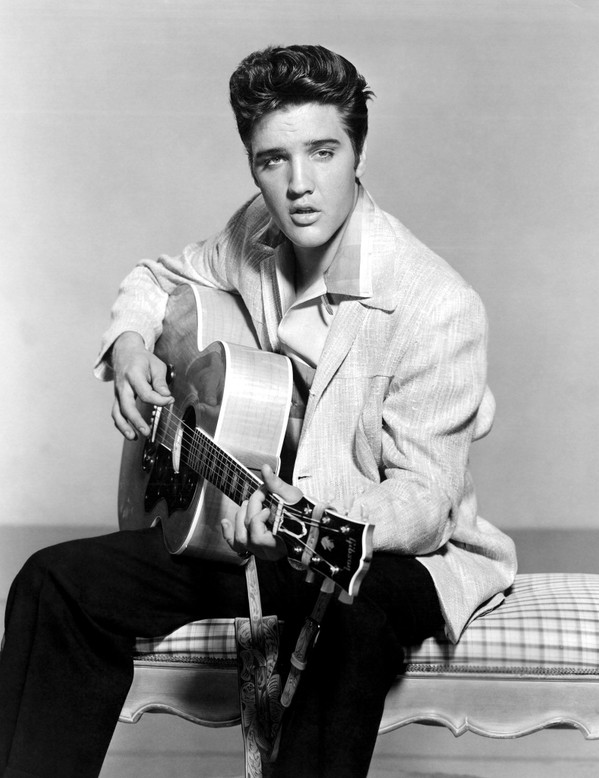
    Elvis Presley, the King of Rock ‘n’ Roll, remains a cultural icon more than four decades after his passing in 1977. Recent auction records show that his autographs can fetch thousands of dollars, reflecting the immense value placed on his memorabilia. With every signed photo or album, collectors don’t just seek a piece of paper; they chase a connection to a legend.

    The demand for Elvis autographs stems from various factors, including his music’s ongoing popularity and his iconic status in popular culture. Fans and collectors alike view his signature as more than an autograph; it’s a tangible piece of history. This article will explore the factors driving this demand, the intricacies of authenticating his signatures, and the current trends in the market.

    The Enduring Legacy of the King

    Elvis’s Cultural Impact

    Elvis Presley’s influence stretches beyond just music; it reshaped fashion and popular culture globally. Known for his unique style, he revolutionized the music scene and inspired countless artists. To quantify his success, Elvis is one of the best-selling solo artists of all time, with over 600 million records sold worldwide. His music continues to resonate as new generations discover his timeless hits.

    The Collector’s Market

    Elvis’s death triggered a surge in interest in his memorabilia. Fans sought to pay homage to the King by collecting items that once belonged to him or were closely associated with his life. Autographs became particularly sought after, with collectors willing to spend significant amounts to own a piece of his legacy.

    Authenticity and Value: Determining a Real Elvis Autograph

    Identifying Genuine Signatures

    Knowing how to identify a genuine Elvis autograph is crucial for collectors. Authentic signatures often display the following characteristics: Be sure to buy from trusted dealers like BostonMemorabilia.com that offer genuine coa’s

    • Consistency in Style: Elvis had a unique style increasingly apparent in his later years.
    • Curve of Letters: The “E” in Elvis often stands out with sharp, defined angles.
    • Flow: A genuine autograph has a natural flow, without awkward pauses or hesitations.

    Common forgeries might display overly simplistic writing or inconsistent letters. Consulting experts or authentication services is highly recommended for validation.

    Factors Affecting Value

    The value of an Elvis autograph depends on several factors:

    • Rarity: Limited items or unique signatures can significantly increase value.
    • Condition: A well-preserved autograph is more valuable than a faded or damaged one.
    • Provenance: Documentation that proves the item’s history boosts its worth.

    For example, a signed photo of Elvis from the 1950s can sell for over $20,000 if all factors align positively.

    The Role of Certification

    Professional authentication plays a vital role in the autograph market. Items certified by established authenticators generally command higher prices. Collectors should seek certifications from reputable organizations to avoid costly mistakes.

    The Elvis autograph market has seen fluctuations due to collectors’ evolving interests. Recent years show a growing trend towards online auctions, allowing collectors worldwide to participate. Statistics indicate that sales for authenticated Elvis items have increased by about 15% annually. Items like signed vinyl records and concert posters are particularly popular now.

    High-Value Examples

    Notable examples of high-value Elvis autographs include:

    • A 1956 signed contract for his appearance on “The Ed Sullivan Show,” sold for $40,000.
    • A rare signed guitar fetched over $75,000 at auction. These instances underline the collectible nature and significant monetary value of Elvis memorabilia.

    Investing in Elvis Autographs: A Collector’s Guide

    Tips for New Collectors

    For those new to collecting Elvis autographs, consider these tips:

    • Do Your Research: Learn about Elvis’s signature style and common forgeries.
    • Get Help: Work with authentication experts before purchasing.
    • Careful Storage: Store autographs in protective sleeves and away from direct sunlight to maintain condition.

    Researching and Sourcing

    Finding reputable sellers is vital. Look for online marketplaces that specialize in music memorabilia, as well as well-reviewed auction houses. Forums and collector groups can offer insights into trustworthy sellers and current market trends.

    The Future of Elvis Autograph Collecting

    Preservation and Legacy

    Preserving Elvis autographs is critical for future generations. Proper care will ensure these pieces of history remain in excellent condition. Collectors should prioritize preservation techniques, including climate control and proper handling practices.

    As collecting habits shift, new technologies may play a role in future trends. Digital tools for authentication and tracking collectibles could emerge, transforming how collectors engage with the market. Additionally, as younger fans embrace Elvis’s music, demand for memorabilia may remain strong for years to come.

    In conclusion, the demand for Elvis Presley autographs continues to grow, fueled by his lasting cultural impact and the passion of collectors. The careful authentication of these items significantly affects their value, making knowledge essential for anyone interested in entering this market. With a legacy that transcends time, Elvis remains an enduring figure in the realm of music and memorabilia, and the collector’s market surrounding his autographs reflects his everlasting appeal.

  • The Memorabilia Dealer Drop Shipping Scheme

    The Memorabilia Dealer Drop Shipping Scheme

    Consignment Memorabilia: A Guide for Dealers Selling Others’ Items

    Over the past 15 or more years there have been several big name memorabilia dealers who have stared the business of listing items on their platform stores that are currently owned and offered by other dealers! The price is then grossly inflated to the un suspecting buyer who then makes a purchase and then shipped the item from the original dealer and the middleman pockets the difference. Although this practice is legal we at BostonMemorabilia.Com believe this to unreasonably inflate the pereceived value of the item and skewing the market for collectors. Autographia, SportsMemorabilia.Com and Hollywood Memorabilia are just a few to name in the industry. The memorabilia market continues to soar, with estimates suggesting it reached over $5 billion in 2022. The trend of selling items on consignment is gaining momentum among dealers, creating a unique opportunity for enhancing inventory without upfront investment. Consignment selling allows dealers to showcase items from various sellers, benefiting both parties. This article serves as a detailed guide for memorabilia dealers looking to thrive in managing and selling consigned items.

    Understanding the Consignment Process

    When dealing with consignment sales, contracts play a crucial role. A solid consignment contract should include:

    • Clear terms: Outline the duration of the consignment and the expectations from both parties.
    • Liability clauses: Specify who is responsible for damage or loss during the consignment period.
    • Transparency measures: Detail how items will be priced and sold.

    A well-written consignment contract may look like this:

    1. The consignor agrees to provide [Item Description] for sale.
    2. The dealer will retain [Percentage]% of the sale price as a commission.
    3. The consignor will receive payment within [Number of Days] after sale.


    Pricing Strategies for Consigned Goods

    Determining fair market value is key to pricing consigned items. Consider these methods:

    • Comparable Sales Data: Research recent sales of similar items.
    • Appraisal Services: Hire experts for high-value items to ascertain value.
    • Dynamic Pricing: Adjust prices based on demand and time on inventory.

    For example, a signed sports jersey from a famous athlete may be priced based on recent auction results and demand trends.

    Inventory Management for Consigned Items

    Efficient inventory management is vital. Here are some effective tools:

    • Inventory Software: Use platforms like QuickBooks or Sellbrite to track sales.
    • Spreadsheets: Create a simple tracking sheet that lists each consigned item, its value, and sales history.

    Keeping good records ensures smooth operations and accurate reporting to consignors.

    Marketing and Sales Strategies for Consigned Memorabilia

    Online Platforms for Consignment Sales

    Utilizing online marketplaces can broaden exposure. Consider platforms like:

    • eBay: Known for a high volume of memorabilia sales, particularly auctions.
    • Etsy: Ideal for unique items, often attracting niche collectors.
    • Facebook Marketplace: Great for local sales, easy to engage with buyers.

    Sales data shows that items listed on eBay have an average success rate of 65%. Leveraging these platforms can significantly enhance visibility.

    Utilizing Social Media for Consignment Sales

    Social media is a powerful tool for marketing consigned items. Implement these strategies:

    • High-Quality Images: Capture excellent photos that showcase the item’s details.
    • Targeted Advertising: Use Facebook or Instagram ads to reach specific collector markets.

    Engaging posts and storytelling can captivate potential buyers.

    Offline Sales Channels for Consignment

    Don’t overlook offline opportunities. Options include:

    • Trade Shows: Attend memorabilia conventions to showcase items.
    • Partnerships: Collaborate with local shops that share a similar customer base.

    These methods can draw more attention to consigned items.

    Building Relationships with Consignors

    Attracting High-Quality Consignments

    To draw valuable consignments, focus on:

    • Networking: Engage with collectors and showcase past sales success.
    • Reputation Building: Maintain a strong online presence and positive reviews.

    Building trust will encourage consignors to bring in their prized possessions.

    Effective Communication with Consignors

    Strong communication fosters trust. Consider these practices:

    • Prompt Updates: Keep consignors informed on sale progress.
    • Clear Reporting: Provide detailed sales reports regularly.
    • Addressing Concerns: Be responsive to questions or issues.

    Transparency is crucial in maintaining positive relationships.

    Handling Disputes and Difficult Situations

    Conflicts may arise. Prepare for common issues like:

    • Unpaid items or damages.
    • Unsold items that exceed the contract term.

    Establishing clear protocols and having professional mediation options can resolve disputes smoothly.

    Financial Management and Profitability

    Calculating Commissions and Fees

    Commission structures vary. Common options include:

    • Flat Percentage: A fixed percentage of the sale price.
    • Tiered Rates: Different percentages based on sales amount.

    Choose a structure that aligns your interests with consignors while being fair.

    Tracking Expenses Associated with Consignment

    It’s essential to monitor your expenses, such as:

    • Insurance: Protect against loss or damage.
    • Storage Fees: Consider costs for keeping items safe.
    • Marketing Expenses: Track what you spend on ads.

    Detailed expense records help evaluate overall financial health.

    Analyzing Profitability and ROI

    To understand profitability, analyze:

    • Sales Data: Keep track of which items sell best.
    • Sales Trends: Identify patterns over time.
    • Areas for Improvement: Adjust strategies based on findings.

    Regular financial reviews can help optimize sales efforts.

    Protecting Yourself from Liability

    Obtain insurance to cover:

    • Loss or damage during possession.
    • Legal fees related to disputes.

    Choosing the right insurance coverage can save you from costly issues.

    Understanding Tax Implications of Consignment

    Be aware of potential taxes on consignment sales, including:

    • Sales tax: Varies by location.
    • Reporting income: Ensure accurate reporting to the IRS.

    For more detailed information, refer to the IRS website.

    Contractual Agreements and Dispute Resolution

    Incorporate strong legal clauses in contracts, like:

    • Termination clauses: Define how and when agreements can end.
    • Clear dispute resolution procedures: Specify how conflicts will be handled.

    Strong contracts minimize risks and provide clear expectations.

    Conclusion

    Incorporating consignment selling into your memorabilia business can lead to increased sales and diverse inventory. By understanding the consignment process, implementing effective marketing strategies, and building strong relationships with consignors, you can thrive in this profitable niche. Start applying the strategies discussed to boost your consignment sales and enhance your dealer reputation.

  • The Memorabilia Expert Guide

    The Memorabilia Expert Guide

    Become a Memorabilia Expert: A Comprehensive Guide

    Imagine finding an old baseball card at a garage sale that turns out to be worth thousands. Stories like this energize collectors and show how valuable memorabilia can be. Memorabilia are items collected for their historical significance or cultural value, cherished by fans and collectors alike. As the market for these items grows, so does the potential for profit. This guide will equip you with the knowledge and skills necessary to become a memorabilia expert.

    Understanding the Memorabilia Market

    Types of Collectibles

    The world of memorabilia is vast, encompassing various categories. Here are some main types:

    • Sports Memorabilia: Jerseys, cards, and signed balls from athletes.
    • Music Memorabilia: Concert posters, signed albums, and instruments.
    • Movie Memorabilia: Props, scripts, and wardrobe pieces from films.
    • Historical Artifacts: Items related to significant events or figures.

    Statistics show that the sports memorabilia market alone is valued at over $5 billion and continues to grow. Rare items, like a 1952 Mickey Mantle baseball card, have sold for over $5 million (SCP Auctions).

    Keeping up with market trends is crucial. Today’s collectors are looking beyond traditional items. Unexpected collectibles—like video game cartridges or sneakers—are gaining traction. For example, rare sneakers from the 1980s have fetched over $2 million at auction (Christie’s).

    Identifying Authenticity

    Authenticity matters in the memorabilia market. Counterfeiting is common, making it essential to know how to spot fake items. Look for: Dealers like BostonMemorabilia.com offer certificates that state the origins of the autographs.

    • Certification from reputable organizations.
    • Signs of wear consistent with the item’s age.
    • Documentation proving ownership history.

    Building Your Expertise: Research and Education

    Research Methods

    Effective research is key to becoming an expert. Here are methods you can use:

    1. Online Databases: Utilize platforms like Beckett and PSA for card values.
    2. Auction Records: Study previous sales to gauge market trends.
    3. Expert Publications: Read books or magazines focused on your area of interest.

    Learning Resources

    Consider exploring these resources to enhance your knowledge:

    • Books: Look for titles like “The Sports Memorabilia Market” or “Collecting Music Memorabilia.”
    • Courses: Websites like Coursera offer classes on collectibles.
    • Documentaries: Watch films that focus on famous collections or auctions.

    Networking with Experts

    Building relationships in the memorabilia community is crucial. Attend local shows, join online forums, and engage with seasoned collectors. They can offer insights and guidance that are invaluable as you grow.

    Evaluating and Appraising Memorabilia

    Factors Affecting Value

    Several factors influence the value of memorabilia. Key elements to consider include:

    • Rarity: Items produced in limited quantities often fetch higher prices.
    • Condition: Well-preserved items hold more value.
    • Provenance: Items with documented history or celebrity ownership are appealing.
    • Historical Significance: Items tied to major events or figures often attract attention.

    Grading and Condition

    Understanding grading systems is vital. For instance, sports cards use a 1-10 scale where:

    • 1 = Poor condition
    • 10 = Gem mint condition

    A 1986 Fleer Michael Jordan rookie card can be worth over $700,000 in perfect condition (Goldin Auctions).

    Appraisals and Valuation

    Appraising memorabilia is an essential step for collectors. The process usually follows these methods:

    • Comparative Market Analysis: Compare similar items recently sold.
    • Professional Appraisers: Seek certified appraisers for a reliable valuation.

    Investing in and Trading Memorabilia

    Investment Strategies

    Investing in memorabilia can be rewarding. Here are strategies to consider:

    • Long-Term Holding: Buy items you believe will increase in value over time.
    • Short-Term Trading: Purchase items with quick resale potential based on trends.

    Finding and Sourcing Items

    Discovering valuable memorabilia takes effort. Here are some effective avenues:

    • Auctions: Major auction houses frequently feature rare items.
    • Online Marketplaces: Websites like eBay can yield hidden gems.
    • Private Collectors: Network to find items through personal connections.

    Be aware of legal aspects surrounding memorabilia. Issues to consider include:

    • Ownership: Ensure items are legitimately acquired.
    • Authenticity Verification: Always verify before purchasing.
    • Sales Taxes: Know your local laws regarding collectibles sales.

    Protecting and Preserving Your Collection

    Storage and Handling

    Proper storage is vital for preserving your items. Follow these tips:

    • Use acid-free materials for storage.
    • Keep items in a cool, dry place away from direct sunlight.
    • Handle items with clean hands or gloves to avoid damage.

    Insurance and Security

    Protecting your collection is crucial. Consider the following:

    • Insurance: Obtain coverage specifically for collectibles to safeguard against loss.
    • Security Measures: Use safes or secured display cases for valuable items.

    Documentation and Record Keeping

    Maintain detailed records. Important documentation includes:

    • Purchase Receipts: Keep receipts for provenance.
    • Photographs: Document condition and details of items.
    • Valuation Reports: Maintain records of appraisals for future reference.

    Conclusion: Your Journey to Memorabilia Expertise

    Becoming a memorabilia expert involves understanding the market, building your knowledge, and effective collection strategies. Embrace continuous learning and networking within the community. Enjoy the thrill of collecting, whether for passion or profit. The journey can be incredibly rewarding, connecting you to history and culture in significant ways. Dive into this exciting world of memorabilia today!

  • Reputable Memorabilia Dealers!

    Reputable Memorabilia Dealers!

    Find the Most Reputable Memorabilia Dealers: Your Guide to Authentic Collectibles

    Navigating the world of sports memorabilia can be thrilling. Collecting memorabilia sparks excitement and nostalgia. However, the market poses risks, especially with counterfeits lurking around. Understanding how to identify reputable dealers is crucial for serious collectors.

    The Allure of Authentic Collectibles and the Risks of Counterfeits

    Authentic memorabilia often represents cherished moments in sports history. Owning a piece of this history can be fulfilling. Unfortunately, counterfeit items can easily deceive buyers. Knowing what to look for can help avoid disappointment.

    The Importance of Due Diligence in Memorabilia Acquisition

    Before purchasing, research is essential. This means assessing the dealer’s credibility. Be prepared to investigate the authenticity of each item.

    Setting Expectations: What to Look For in a Reputable Dealer

    When exploring memorabilia dealers, keep these qualities in mind:

    • Reputation: Years in business, positive reviews.
    • Authenticity Guarantees: Certificates of authenticity (COA).
    • Transparency: Clear pricing, fees, and policies.

    Top Criteria for Evaluating Memorabilia Dealers’ Reputability

    Authentication Expertise and Processes: COA, Independent Verification

    Authenticity is a non-negotiable factor. Reputable dealers like BostonMemorabilia.com Bostonmemorabilia.com provide COAs. Also, they often seek independent verification for added security. Always ask for this before making a purchase.

    Transparency and Disclosure: Pricing, Fees, Return Policies

    A trustworthy dealer is open about costs. They should clearly outline any fees and their return policy. Transparency builds trust, so look for dealers who are upfront about these details.

    Industry Standing and Reputation: Years in Business, Customer Reviews

    Industry reputation matters. Research how long the dealer has been operational. Read customer reviews to gauge their experiences. Established dealers typically have a proven track record.

    Due Diligence: Researching and Vetting Potential Dealers

    Online Reputation Management: Examining Online Reviews and Feedback

    The internet is a powerful tool for research. Use sites like Yelp or Trustpilot to find reviews. Pay attention to recurring comments, both positive and negative.

    Independent Verification of Authenticity: Utilizing Third-Party Authentication Services

    Consider third-party services specializing in authentication. Organizations like PSA/DNA provide reliable verification. This extra step helps safeguard your investment.

    Checking Dealer Certifications and Affiliations: Professional Organizations and Associations

    Look for dealers associated with credible organizations. Membership in groups like the Sportscard Association signifies commitment to quality and ethics.

    Red Flags to Watch Out For When Dealing with Memorabilia

    Unrealistic Pricing: Deals Too Good to Be True

    If it seems too good to be true, it probably is. Unusually low prices often signal counterfeit items. Trust your instincts when something feels off.

    Pressure Sales Tactics: High-Pressure Sales Techniques

    Be wary of dealers who rush you into making a decision. High-pressure tactics are often a sign of deceit. Take your time and evaluate your options.

    Lack of Transparency: Hidden Fees or Unclear Return Policies

    Dealers should have clear information about fees and returns. Scrutiny of these details can reveal a dealer’s true colors. If they hesitate to share, proceed with caution.

    Case Studies: Real-World Examples of Reputable and Disreputable Dealers

    Example 1: A Success Story with a Reputable Dealer

    Consider ABC Memorabilia. They have operated for over two decades. Their customers rave about their quality products and outstanding service. Each item comes with a COA and detailed description, ensuring peace of mind.

    Example 2: A Cautionary Tale of a Disreputable Dealer

    On the flip side, XYZ Collectibles offers prices that seemed unbeatable. Many customers later discovered their items were fakes with no COA. Their refusal to accept returns only added to the problems.

    Comparing Experiences: Analyzing the Differences

    The contrasting experiences highlight the importance of doing your homework. A reputable dealer builds relationships through trust, while a disreputable one often faces backlash and loss of clientele.

    Tips for a Successful and Safe Memorabilia Purchase

    Start with Research: Identify Reputable Dealers

    Begin your search by listing potential dealers. Check their websites and reviews. A little research goes a long way.

    Ask Questions: Don’t Hesitate to Inquire

    Never shy away from asking questions. Inquire about the item’s authenticity, consignment history, and return policy. A reputable dealer will gladly provide this info.

    Document Everything: Keep Records of Transactions

    Maintain records of your purchases. Save emails, receipts, and COAs. This documentation can protect you in case issues arise later.

    Conclusion: Ensuring Authenticity and Protecting Your Investment

    Key Takeaways: Protecting Yourself from Fraud

    Being cautious and informed is key to avoiding fraud.

    The Value of Research: Finding the Right Dealer

    Research saves you from heartbreak. Knowing what to ask helps ensure you choose wisely.

    Building a Collection with Confidence: The Benefits of Authenticity

    Owning authentic memorabilia enriches the collecting experience. With the right dealer, you can build a fantastic collection with confidence and assurance. Happy collecting!